
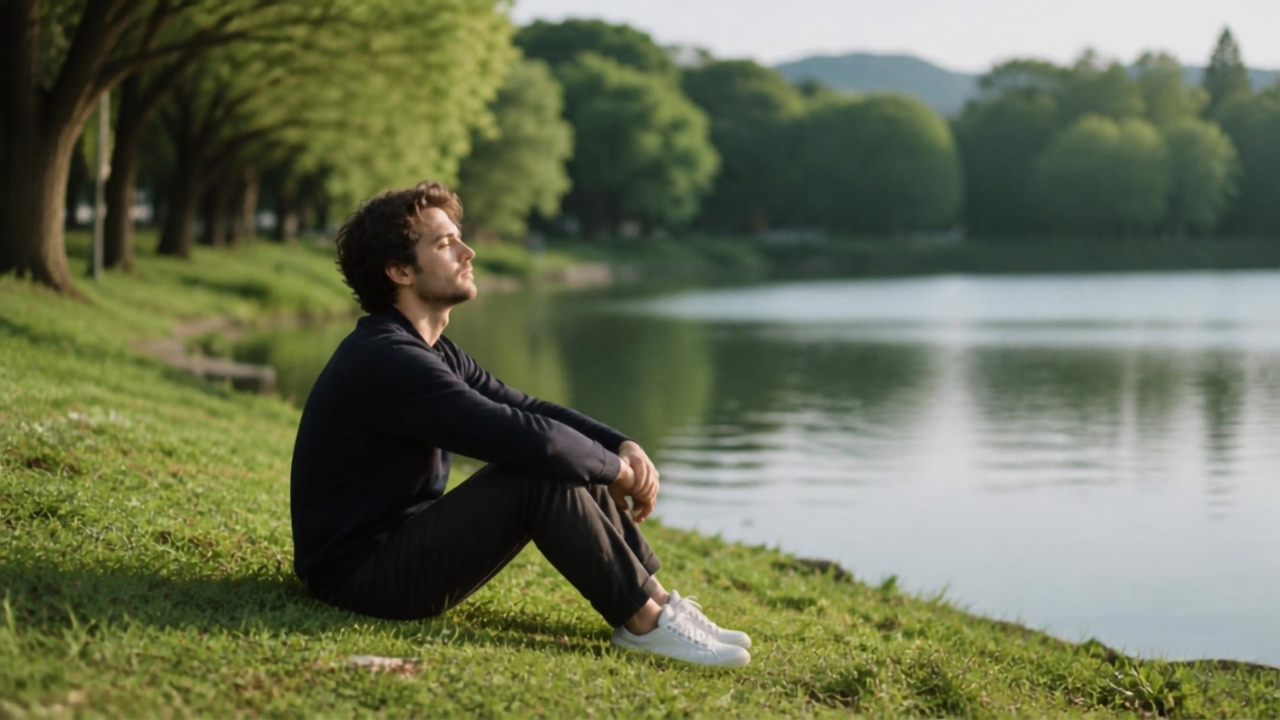
In a world where smartphones, emails, and social media keep us constantly connected, truly switching off has become increasingly rare. Many people carry their work with them wherever they go, responding to messages during holidays or checking notifications “just for a minute”. It’s the professional dimension of the so called FOMO (Fear of Missing Out). While this habit may seem harmless, research suggests that genuine disconnection is essential for both mental well-being and creative thinking. Taking a vacation is not simply about escaping routine. It is an opportunity to give the brain the conditions it needs to recover, reorganize, and generate new ideas.
Neuroscience offers compelling evidence for the importance of mental downtime. When we are not actively focused on a specific task, the brain engages what scientists call the Default Mode Network (DMN). This network of interconnected brain regions becomes more active during periods of rest, daydreaming, reflection, or quiet observation. Far from being idle, the DMN plays a crucial role in autobiographical memory, future planning, and creative insight. It helps the brain make unexpected connections between seemingly unrelated pieces of information, often leading to those “aha!” moments that appear when we least expect them. This explains why people frequently report finding solutions to difficult problems while taking a walk, or enjoying a sunset by the sea.
Travel, in particular, provides an even greater boost to creativity because it exposes us to new environments, languages, traditions, and ways of life. When we visit unfamiliar places, our brains are challenged to adapt. We encounter different social norms, exotic foods, diverse artistic expressions, and alternative approaches to everyday problems. And, as a travel addict myself, I can assure you that these experiences stimulate learning by encouraging the brain to update its internal models of how the world works.
Ultimately, a vacation should be viewed not as a pause in productivity but as an investment in long-term performance and creativity. By disconnecting from constant demands and embracing new environments and cultures, we create the mental conditions that foster curiosity, cognitive flexibility, and innovative thinking. In an increasingly interconnected world, perhaps the most powerful way to become more creative is, paradoxically, to disconnect for a while and allow the mind the freedom to wander, discover, and imagine.
Carlos Sezões
Managing Partner of Darefy


